
How to Find Fairfax County Public Records
Start by naming the record. A court file goes through the Clerk of the Circuit Court or the online case systems. An ordinary county-agency record goes through a Virginia FOIA request. A jail or Sheriff record follows the Sheriff's own process. A federal record is not a county record at all.
Virginia runs a unified court system, and Fairfax sits inside it. The structure of the courts shapes which clerk holds which record. The state's judicial overview explains that structure.
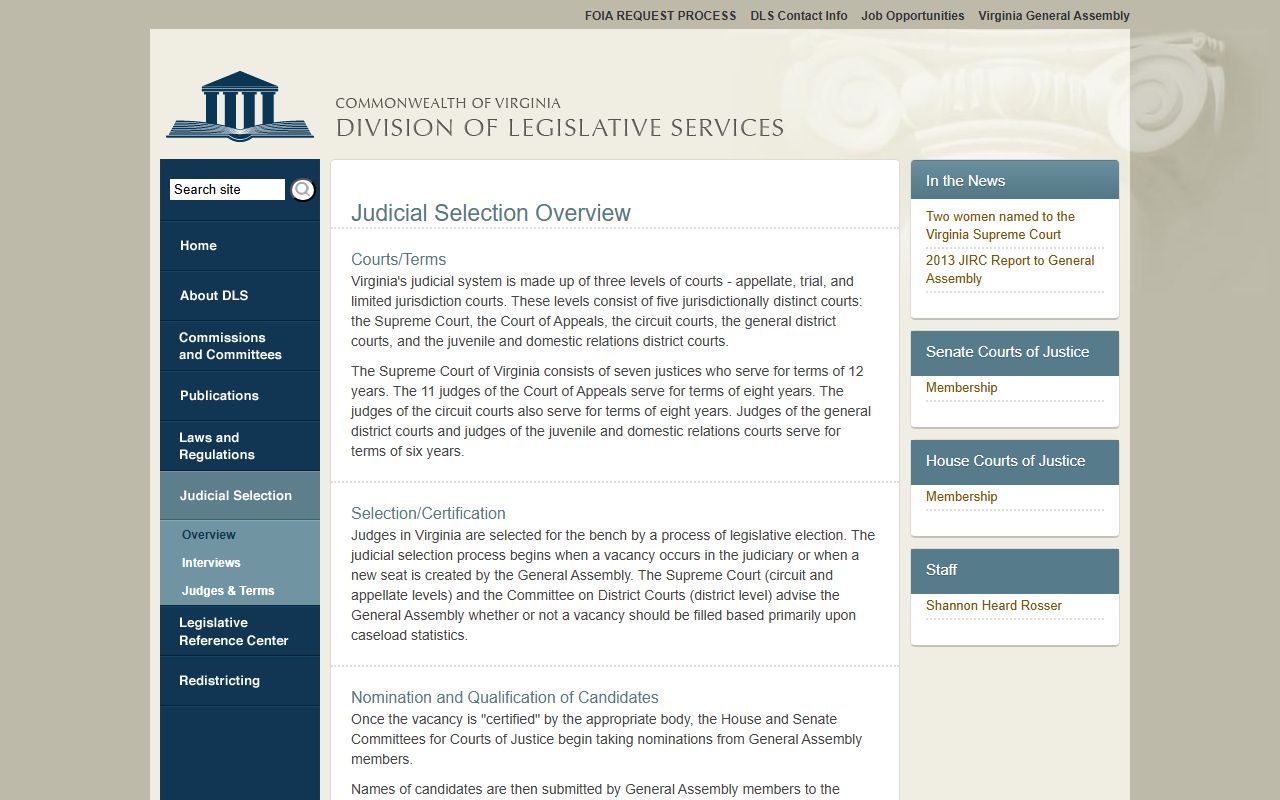
You can review the court structure on the state's judicial overview page, which helps you target the right office.
Virginia FOIA Versus Court Records
This is the most common mix-up. Fairfax Circuit Court notes that records kept by clerks of courts of record are exempt from Virginia FOIA, because they are already open and inspectable under court-record law. So a court file is not an ordinary FOIA request.
The state FOIA policy in Virginia Code § 2.2-3700 presumes public records are open. That policy fits county-agency records well. For court records, the clerk, the online case systems, or a copy request is the right channel. The Fairfax County court records page covers that side in detail.
How to File a Public Records Request
For a county-agency record under FOIA, the process is straightforward. Be specific about what you want, since a clear request is faster to fill.
- Identify the agency that holds the record you need.
- Put your request in writing and describe the records clearly.
- Submit it to that agency's FOIA officer or records contact.
- Wait for the response within the time the law allows.
- Pay any reasonable charge for the actual cost of producing the records.
The request and response procedures are set in Virginia Code § 2.2-3704, which sets response times and allows reasonable charges. This route is not the way to get a court file.
Public Records Request Fields
Whether you use a FOIA request or a court copy request, staff need certain details to find the record. The table below shows the core information a request should carry.
| Field | Type | Required | Notes / Format |
|---|---|---|---|
| Record description | Text | Yes | Name the record clearly and narrowly. |
| Names or case number | Text | Helpful | Parties, decedent, or a case or instrument number. |
| Date or year | Date | Helpful | Narrows the search to the right file. |
| Requester contact | Text | Yes | Return address for records or response. |
| Payment | Money order | For court copies by mail | Certified check or money order to the clerk. |
For court copies, the clerk does not accept personal checks by mail, and a self-addressed stamped envelope is expected.
Fees for Public Records
Fees depend on the office and the record. FOIA allows reasonable charges for the actual cost of producing agency records. Court copy fees are set by the clerk. The table below lists common fixed court-record fees.
| Item | Amount |
|---|---|
| Land record certified copy | $2.00 per document + $0.50 per page |
| Certified marriage-license copy | $2.50 per copy |
| Public Law Library copy | $0.25 per side |
| Credit card convenience fee | 4% |
FOIA charges vary by request, so an agency may give a cost estimate before it produces a large set of records.
Court Record Access and Personal Identifiers
Court records in clerks' offices are open for public inspection under Virginia law, subject to confidentiality rules. At the same time, the law limits how sensitive identifiers appear online. That is why the public case index shows case data but not full documents with personal numbers.
The limit on posting personal identifiers is set in the state code.
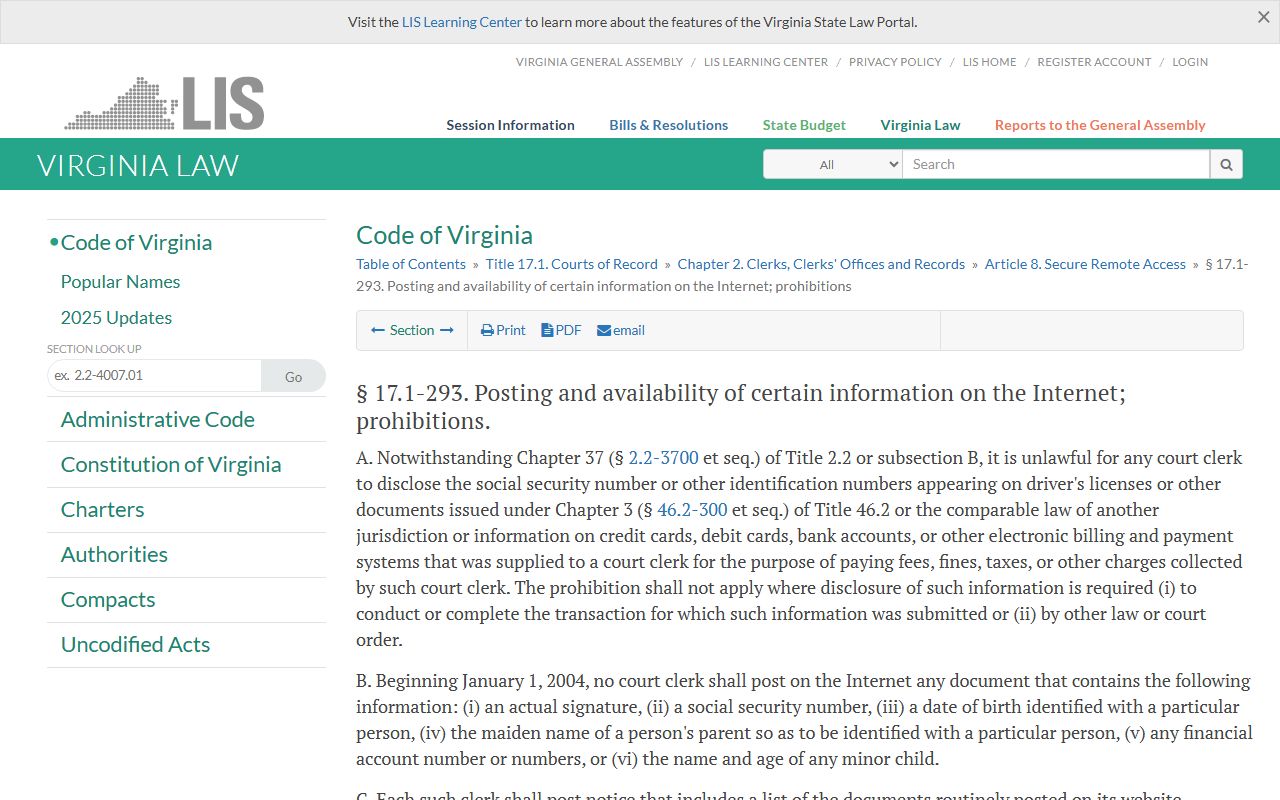
That protection comes from Virginia Code § 17.1-293, which restricts remote display of Social Security numbers and similar data.
Land Records and CPAN
The Clerk of the Circuit Court records land documents for Fairfax County and the City of Fairfax. Deeds, deeds of trust, plats, and related instruments are all land records. All land-record images have been converted to digital and can be viewed in the Land Records Research Room or through the CPAN subscription system.
To request a copy, you need the instrument number or the deed book and page. A certified land-record copy costs $2.00 per document plus $0.50 per page. Clerks can help researchers but cannot perform research, so the office suggests a title company or attorney for large jobs. The Clerk of Court page covers land records further.
Marriage and Vital Record Restrictions
Marriage records carry their own rules. Virginia sets a minimum marriage age, and the clerk issues licenses through the Public Service Division. Some older licenses are restricted from general public inspection.
The minimum marriage age is set in the state code.
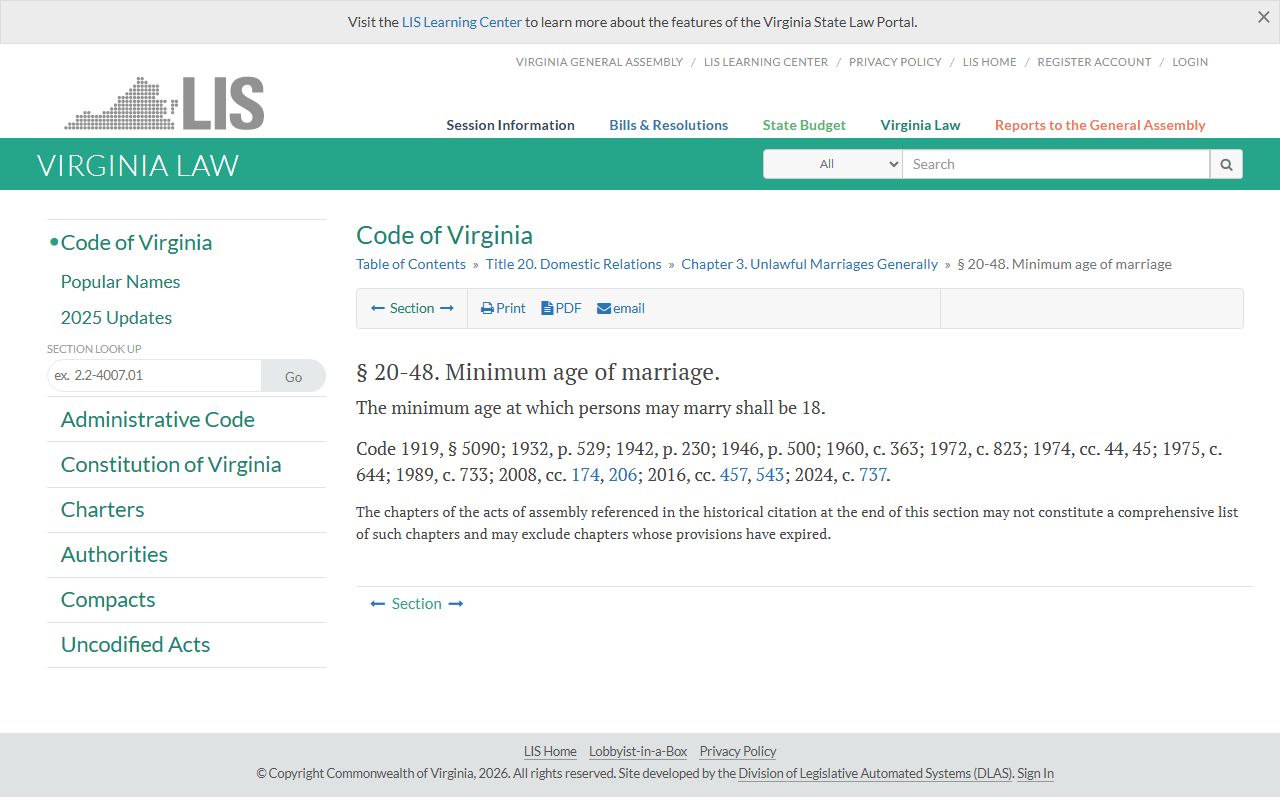
The minimum age appears in Virginia Code § 20-48, and the marriage and divorce records page explains copies and restrictions.
Divorce files add a residency rule too. A divorce is a Circuit Court case, and venue and residency are set by statute.
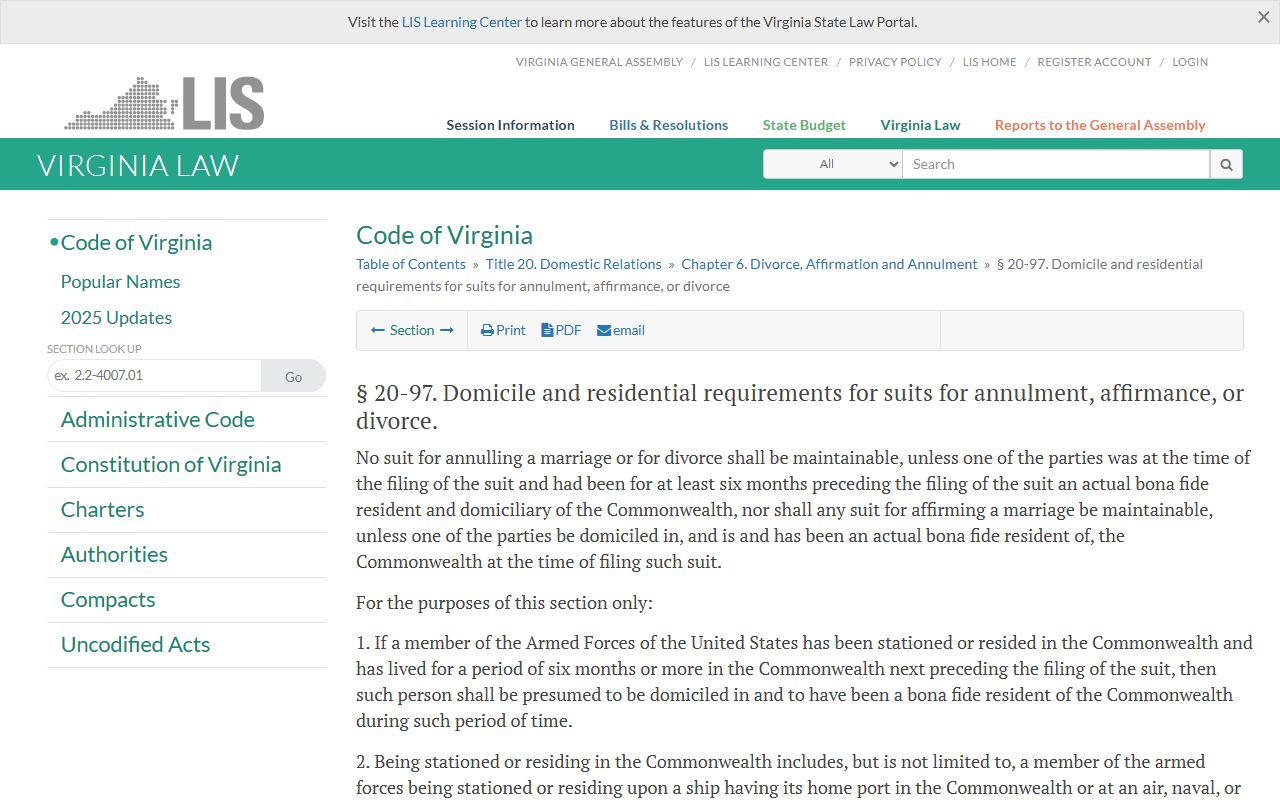
The divorce venue and residency rule sits in Virginia Code § 20-97.
Juvenile Confidentiality
Juvenile records are among the most protected. Many juvenile court records are confidential and are available only to listed parties, attorneys, agencies, or others allowed by statute or court order. That keeps them out of general public search.
The confidentiality rule for juvenile court records is in the state code.
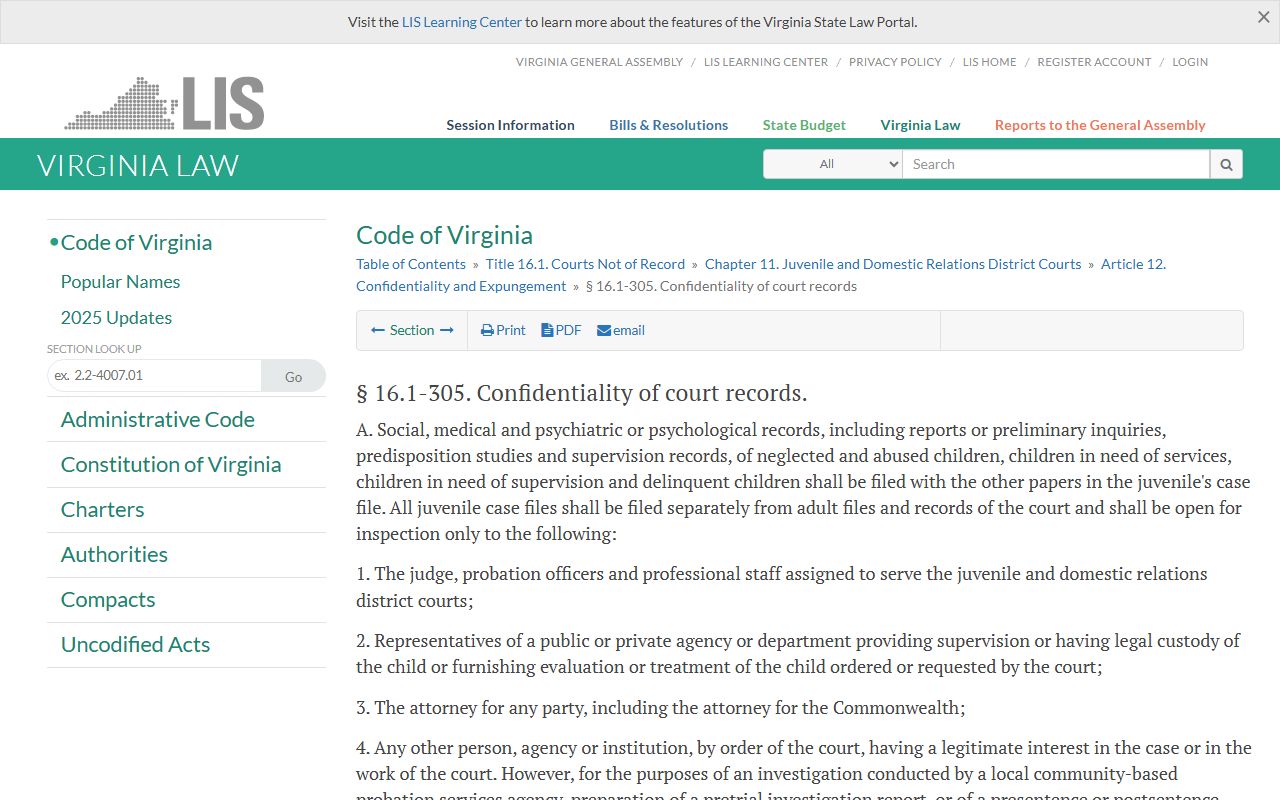
That rule is set in Virginia Code § 16.1-305, which keeps JDR court records confidential.
Sheriff, Jail, and Federal Records
Jail and Sheriff records follow the Sheriff's own process, not the court copy desk. There is no public online jail roster, so custody information runs through the ADC phone line and Virginia VINE, as covered on the inmate records page. Federal records are separate again.
Federal cases from Fairfax run through the Eastern District of Virginia in Alexandria, and those dockets are searched through the federal PACER system.
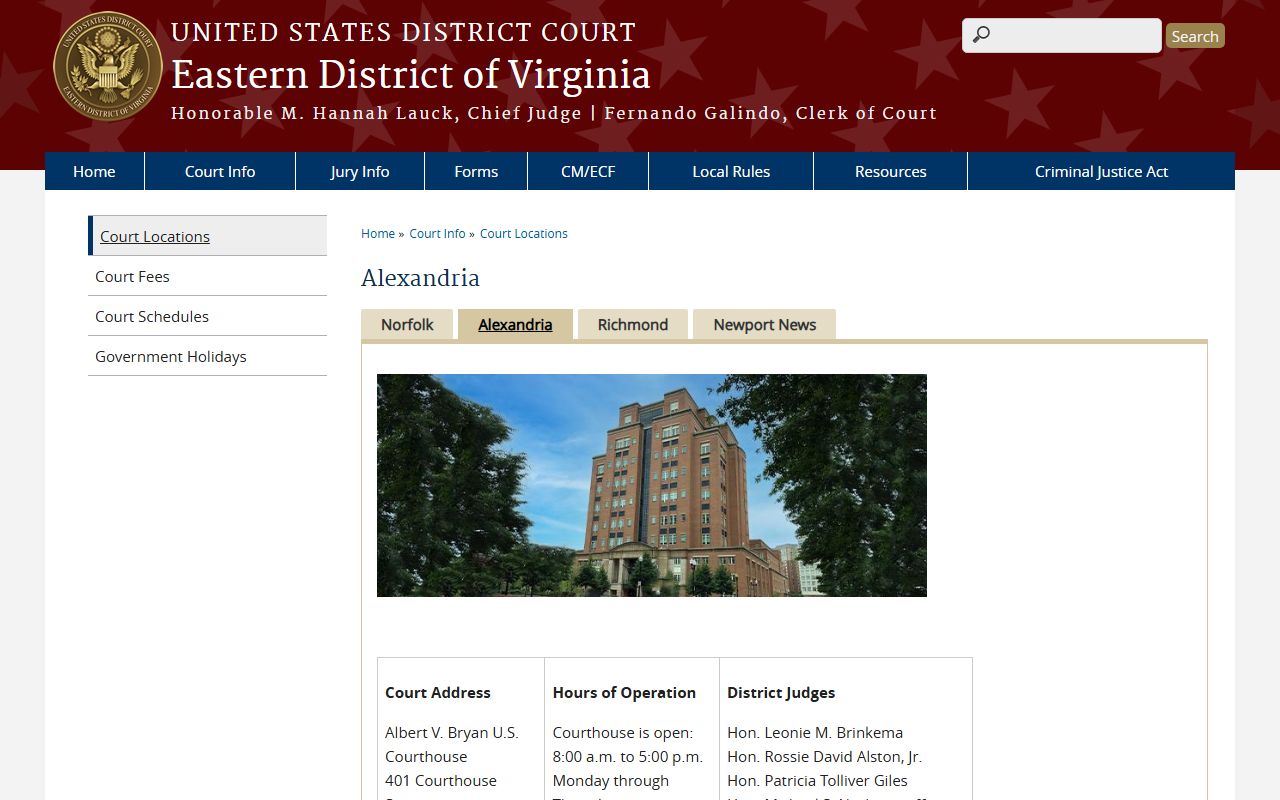
The federal Alexandria Division courthouse page covers the federal court that serves Fairfax County.
The Public Law Library
The Fairfax Public Law Library is a strong starting point for any records question. It sits inside the courthouse on the first floor, Suite 115, and has public computers, legal databases, Wi-Fi, and printing. Staff can describe and locate resources and point to referral services.
The library cannot give legal advice, choose forms, or prepare documents. Even so, it is the best in-person help for understanding which office holds a record. The library follows the Circuit Court calendar for hours and closings.
Note: A court record and a county-agency record use different access paths in Fairfax County, so confirm which one you need before you send a request.